1 August 2026
I want to write a book about my life: the three honest paths
Wanting the book is the easy part. Here is what each way of getting it actually costs, in money, time, and willpower.
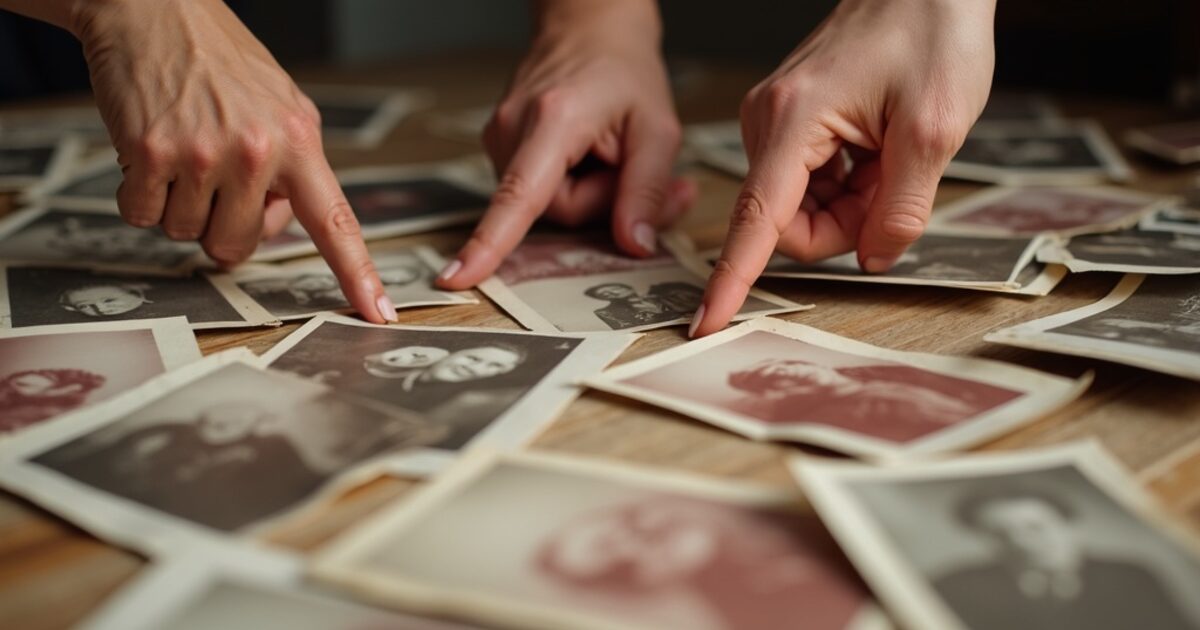
At some point the thought stops being vague and becomes a sentence: I want to write a book about my life. Maybe a grandchild asked a question you realized nobody else could answer. Maybe you sorted a box of photographs and found whole decades nobody will be able to caption after you. The wish is common, and good. What is rare is knowing what it actually takes, so here it is, without romance.
First, what kind of book?
A memoir picks a slice: one era, one theme, one relationship. An autobiography walks the whole road from childhood to now. A life-story book, the kind families actually treasure, sits in between: the moments that made you, told in your voice, bound so it can be handed across generations. If your readers are your family, you are almost certainly writing the third kind, and the good news is that it forgives imperfection better than the other two.
Path one: write it yourself
Cost: nothing but time. Real requirement: not talent, stamina. The people who finish do three unglamorous things. They start with a vivid scene instead of their birth. They talk before they write, recording ten minutes out loud and transcribing it, because nearly everyone tells a story better than they type one. And they keep sessions short, fifteen or twenty minutes, so there is always a next one.
The honest failure rate is high, and it is almost never about writing skill. It is the blank page at session one and the missing reason to return at session two. If you go this way, give yourself a structure (six life periods, three to five scenes each) and a deadline shaped like an object: a printed copy for your children by a date that matters.
Path two: hire a ghostwriter
Cost: typically $4,000 to $15,000 for a professionally interviewed and written life story, months of scheduled sessions, and the result depends heavily on the stranger you hire. It is the right path for a complex public life, a business story, or when the budget genuinely does not matter. For a family book, you are paying a professional to do something surprisingly close to what your family wants to hear you do yourself: talk.
Nobody reads a family book for the prose. They read it to hear a voice they know.
Path three: answer questions, and let the book assemble itself
This is the middle path, and it is why we built Memoira. A biographer, Guida, interviews you by voice: one question, you answer out loud for fifteen minutes, and the conversation becomes a written chapter in your own words. She remembers what you told her, follows the threads you leave open, and the chapters grow into a book you can print and hand over. You edit anything, you decide who may read each chapter, and the writing happens where it should: in your telling, not on a blank page.
The app is free to use, and the printed hardcover costs 69 euros, which is the part families actually keep. Against a $5,000 ghostwriter, the difference is not subtle; against writing alone, the difference is that someone is asking.
Whichever path: start with one memory, today
Do not start with a plan. Answer one question out loud, today, with your phone's voice recorder or with anything else: what did the kitchen of your childhood smell like, and who was in it? If ten minutes of talking come easily, you have your method, and the book is a matter of rhythm, not talent.
Start their story today
Memoira turns a conversation into a real chapter of a life. Free during early access.
Try it freeKeep reading

StoryWorth alternatives in 2026: an honest comparison

How to write your memoir when you’re not a writer

Questions to ask your grandparents before it’s too late

When Your Parent Says “My Life Wasn’t Interesting”: 9 Ways to Get Them Talking
What to do with your old family photos before they fade
Questions to ask your parents before it’s too late
How to record your grandmother’s life story

What to say to a parent with Alzheimer’s: keeping the connection through memories
Gift ideas for aging parents or grandparents who already have everything